
What Changes When Salmon Fishing Moves Beyond Southeast Alaska?
For years, Scent Striker products have been developed and fine-tuned in the waters of Southeast Alaska. But what happens when anglers take these principles to Washington, Oregon, or British Columbia? Do the same strategies work, or does something change?
Yes, the salmon are still the same species. But the environments they live in can be quite different. Water temperatures vary, tidal influences shift, baitfish populations change throughout the season, and fishing pressure can be dramatically different depending on where you are.
How Salmon Sense and Feed
One thing remains constant: salmon rely on their senses to locate food. Vision helps them spot prey, their lateral line detects vibration and movement, and their sense of smell identifies potential food sources. These sensory systems are critical wherever salmon swim.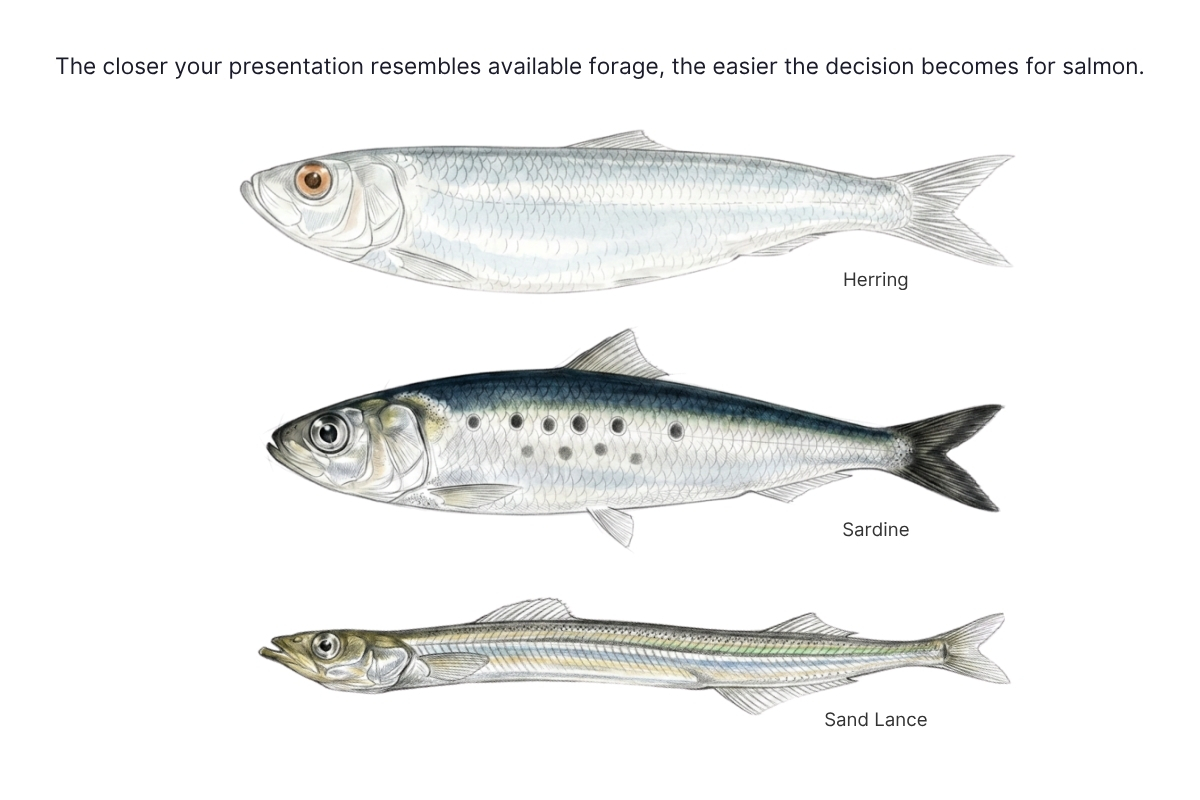
There’s another sense anglers sometimes overlook: taste. While we often focus on attracting fish, salmon make decisions after they investigate a bait. Scientists distinguish between smell (olfaction) and taste (gustation). Smell helps a fish find and evaluate food from a distance, while taste kicks in once the salmon gets close enough to sample what it’s found.
Think of it this way: smell may bring a salmon into the decision zone, but taste helps determine what happens next. If a salmon likes what it tastes, it’s more likely to hold onto your bait.
That’s why many anglers add natural bait scents to their setups. A Scent Striker Original filled with a natural bait scent not only creates an odor trail in the water but also adds food-related compounds. When a salmon mouths your bait, those cues are right where the fish expects them.
Adapting Your Approach for Different Waters
While the fish’s sensory system stays the same, your presentation often needs to change. In Southeast Alaska, anglers might choose larger bait profiles when herring are abundant. In other fisheries, smaller forage species might dominate at certain times, affecting lure size, profile, and rotation speed.
The key lesson: don’t assume your setup from Alaska will work everywhere. Start by identifying the local baitfish. Build a presentation that resembles the food salmon expect to encounter.
Core Principles for Salmon Fishing
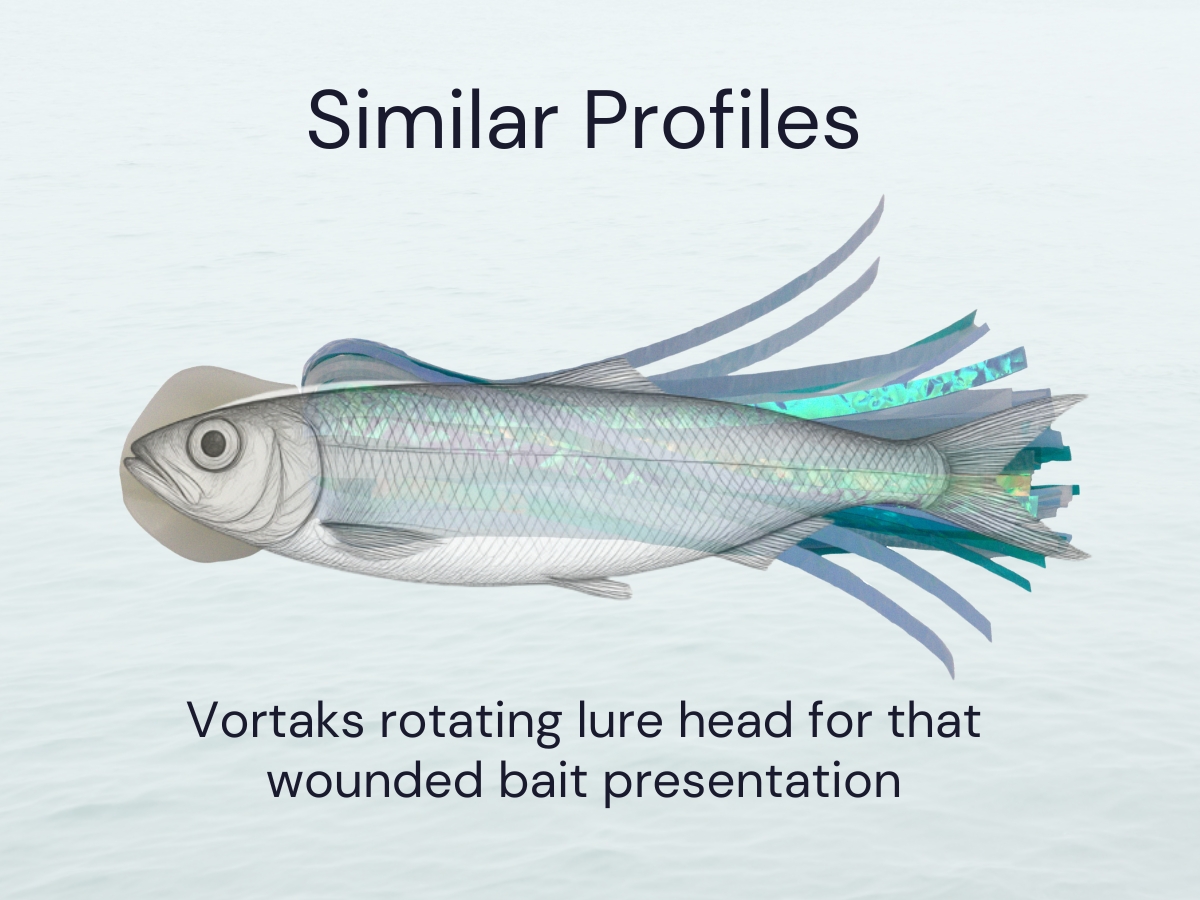 No matter where you fish, these principles hold true:
- Create visibility
- Create movement
- Create scent
- Match the available prey
Whether you’re fishing near Juneau, in Puget Sound, or along the Oregon coast, the fish may change locations—but their decision-making system doesn’t.