
When Finding Saltwater Coho is Challenging
How to find salmon, specifically saltwater coho, can be challenging. Sometimes your traditional fishing haunts have slim pickings, and the bites are few. Unfortunately, Northern Southeast Alaska seemed to have such a season this year.
 A friend told his story of transiting to Cross Sound (about a hundred and forty miles from Juneau) to hand troll his traditional fishing grounds for cohos. Stopping in Elfin Cove, he learned many trollers were staying put. He learned that the fishing was poor, and fuel was expensive. Since he was already there, he decided to fish. Some days he caught nothing. On his most productive day, he caught three silvers. He said his daily coho catch is between 100 and 125 fish on any other year. Wow, where are they? That's when these tricks on how to find salmon become of extreme importance.
When we can't find our targeted fish, we wonder what's wrong and what we do next. Of course, trying new fishing grounds is always an option. I know of no secret formula for finding productive coho waters when fishing times are tough. However, I do use a few reliable intelligence tools when looking for new areas to try. The key to success in how to find salmon is doing your homework. The good news is the tools are free and can be fun.
Trick One -Find Coho by Talking To Others
The first trick is to be friendly and talk to people about how to find salmon. A simple "how did you do?" to your neighboring boat's line handler at the dock is a good source of intel. The line handler is typically willing to chat as they stand there waiting for the boat's captain to do their thing. A short exchange is all you need to find great information, such as how many fish they caught, what kind, and where. It's incredible how much intel you get in a short time if you make yourself friendly.
Another great source of information for finding saltwater silvers is an Alaska Department of Fish & Game employee. In our area, a creel census employee wanders to your boat as you come ashore to ask questions. They have a set group of questions dealing with each boat's catch. For example, the number of lines in the water, what kinds caught, and how many? Stuff like that. I find that if you greet them kindly and give them the information they seek, it is easy to squeeze in your questions. The beauty here is they always seem to reciprocate and tell you what you want to know about where other boats are finding saltwater cohos.
If you don't have creel census employees in your area, call ADF&G and ask one of their biologists. They know what's happening in your waters and are willing to answer your questions.
Trick Two – Use Online Tools To Find Coho
Online tools help the saltwater coho angler as well. Some of the best tools also come from your Alaska Department of Fish & Game office. For example, an interactive fishing map in Alaska shares productive fishing spots to help narrow down new fishing hole choices. If you are fishing in Alaska, check out their Gofishak site by clicking here.
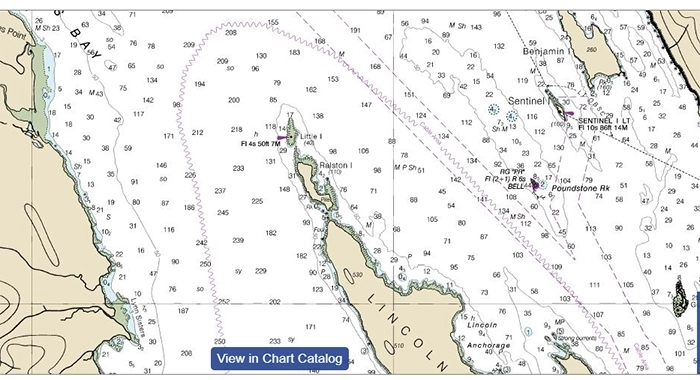 Also, nothing can replace a good chart for scouting new fishing holes. Combining verbal intelligence, a fishing map, and chart study time can pay off big time. The National Oceanic and Atmospheric Administration (NOAA) has excellent chart resources that can be used for coho-finding purposes.
Finding charts is not difficult. Using your favorite web browser, type in queries such as "NOAA chart for Lynn Canal." Up pops NOAA Chart 17316 in PDF. By opening it up, you can study bays, bites, channels, and bottom features, looking for new coho hiding places. A word of caution here, other sites offering charts for sale also pop up. But if you look for the URLs with noaa.gov, you'll be on the right track.
Trick Three – Put It All Together
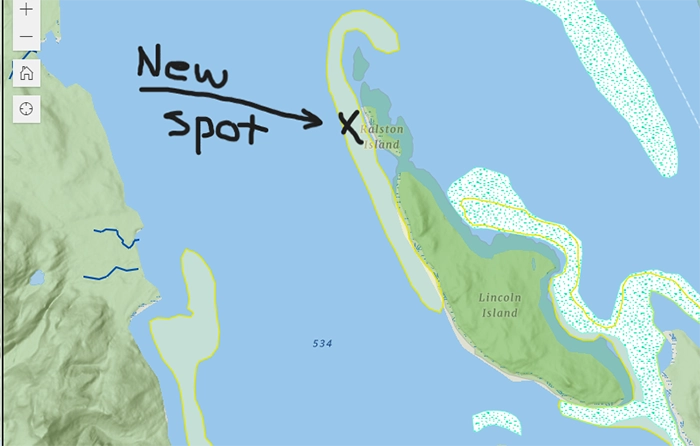
For this season, our dock intel suggested that cohos were late arriving and coming in small, intermittent schools. By studying Fish & Game maps and NOAA Chart 17316 a possible migratory pinch point and late-season hiding hole was discovered. So, on a mid-September day with a small tide swing it seemed reasonable that we could hit a wave of this year's elusive saltwater cohos heading in. The chosen spot was n the west side of a mid-channel island that cohos would likely pass as they headed for northern Inside Passage spawning rivers and streams.
Coho In The Fish Box
By the end of the afternoon, we hooked five and landed four. Unfortunately, the last buck spat the hook about twenty feet from the boat gunnel and swam away. Still, it was a glorious afternoon on the water. Most importantly, the intel and study paid off as we returned to shore with four bright chrome cohos in the fish box. If your traditional spot becomes unproductive, talk to others, study online tools, and try new territory.
Scent Striker – fill your fish box! Don Habeger Founder